

Stories
The objects, traditions and memories behind the jewellery.

A symbol of bravery
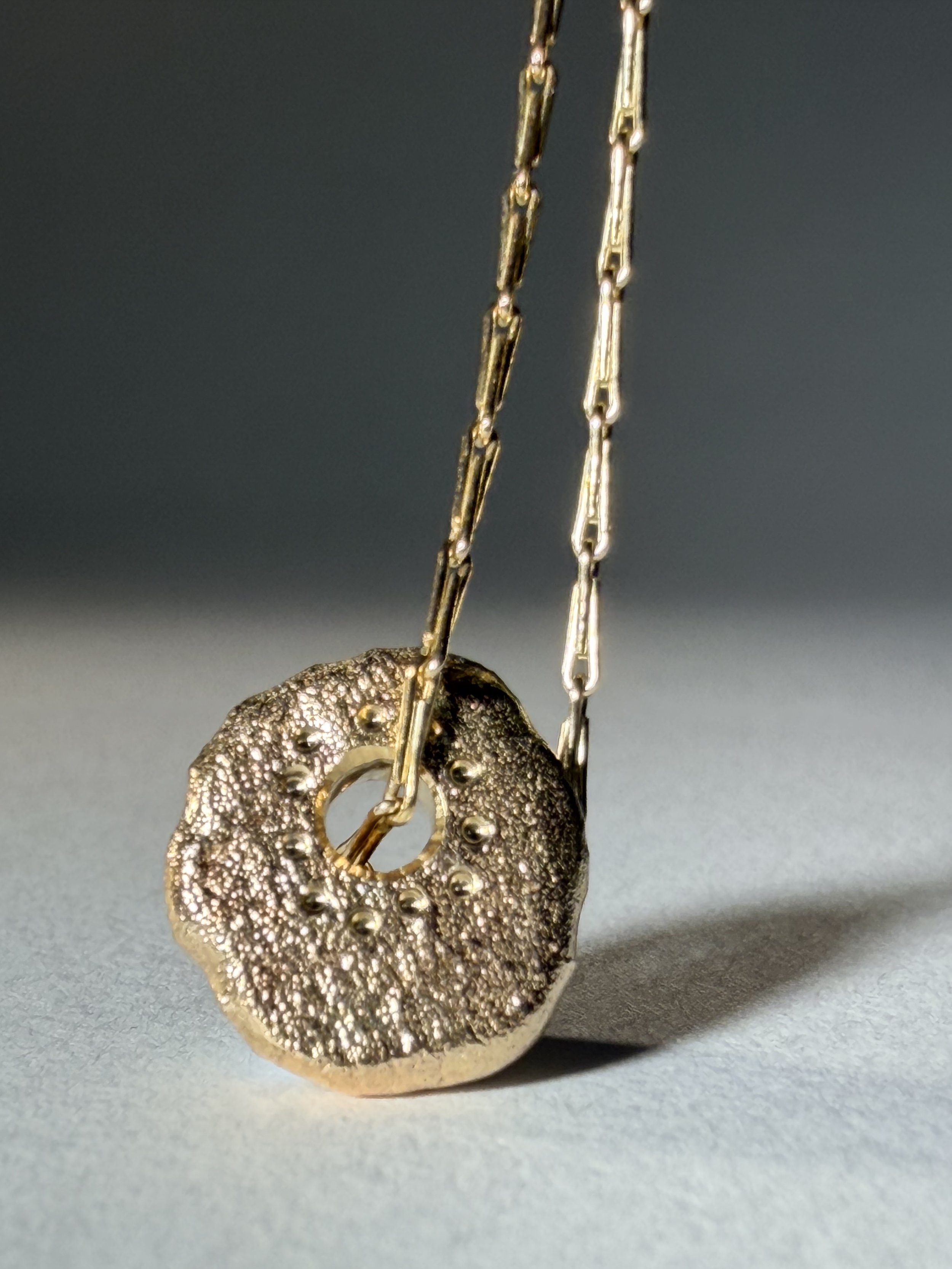
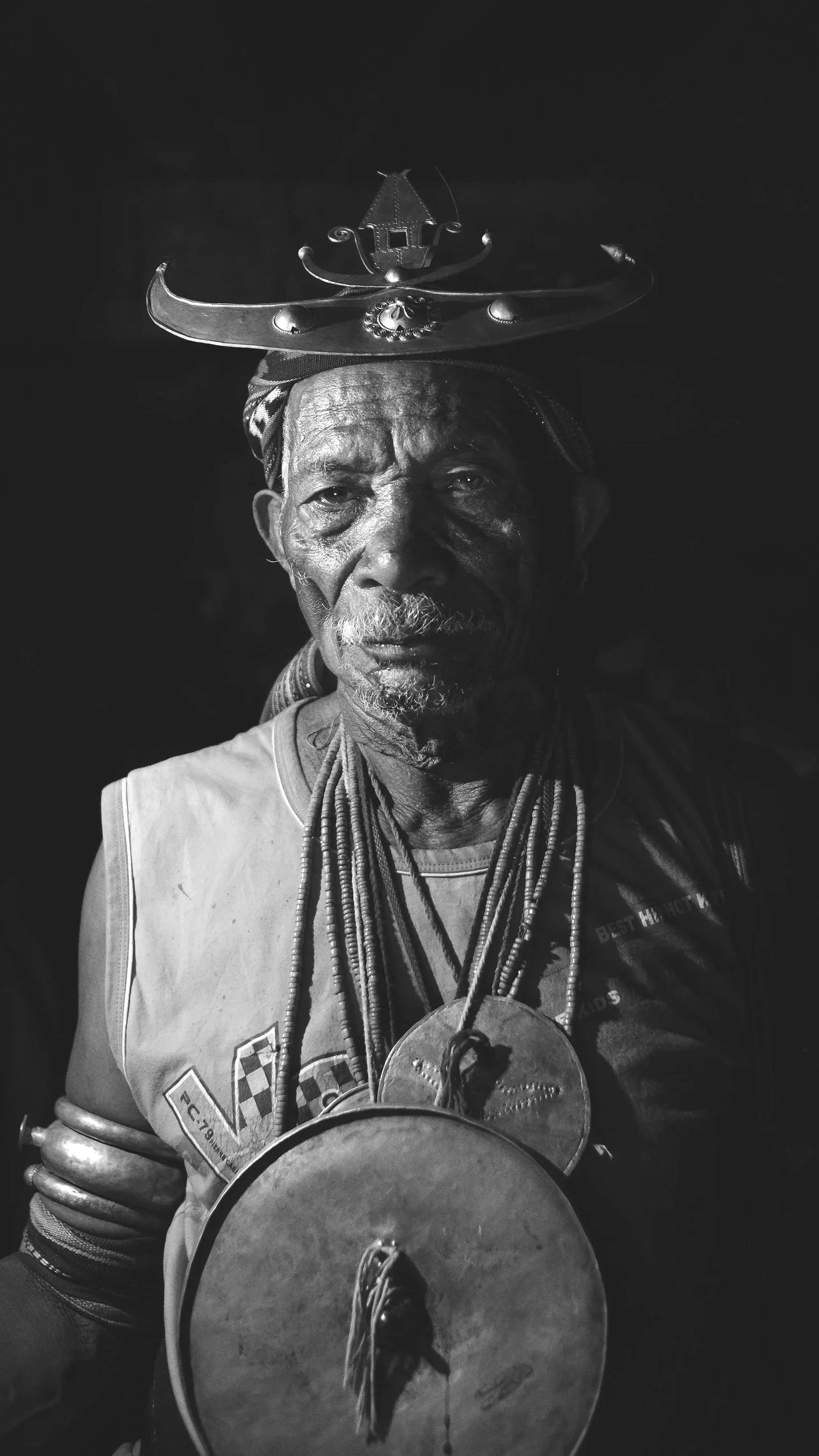
The Belak is a traditional Timorese medallion representing the masculine sun. A prized form of body adornment, Belak are passed from generation to generation and have traditionally formed part of marriage exchange. Warriors were also awarded Belak by their elders in honour of their bravery.
Traditionally worn on a red cord — red being a colour associated with courage and victory in Timor — the Belak is closely connected to another ceremonial form, the Kaibauk. In From the Hands of Our Ancestors, the Belak represents the masculine sun while the Kaibauk represents the feminine moon, together expressing ideas of interdependence and balance.
BELAK, REWORKED
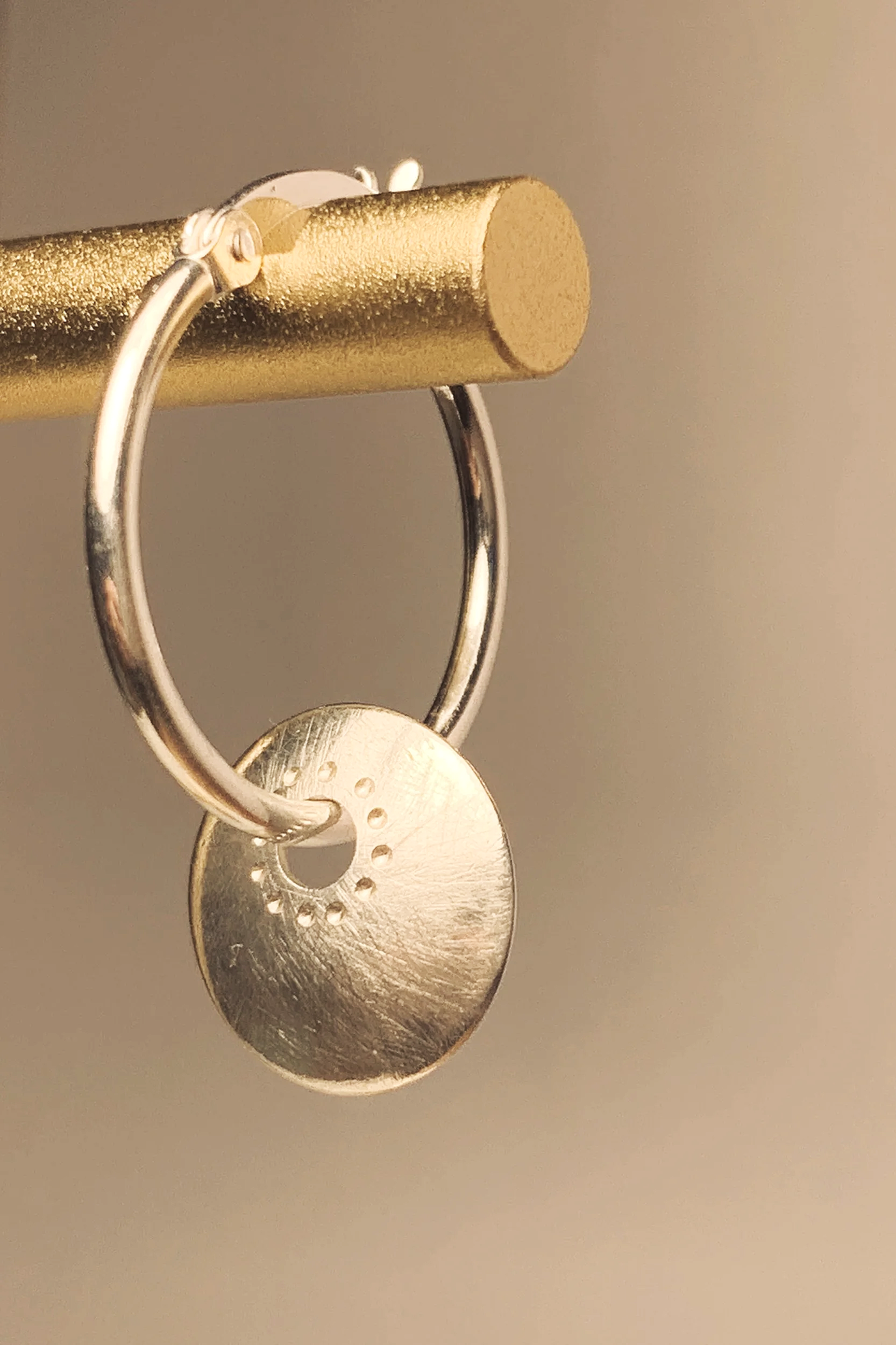
The circular form of the Belak has become a recurring symbol in my work.
Rather than reproducing the traditional object, I rework its form through my own jewellery practice — cutting, texturing, doming and melting precious metals to create contemporary pieces designed to be worn today.
Its association with bravery particularly resonates with me. I think about courage not only in its traditional context, but in the quieter forms it can take in contemporary life — change, new beginnings, difficult journeys, achievements and moments worth remembering.
the story of belak

BELAK & KAIBAUK
Belak and Kaibauk are traditionally worn as complementary forms. In From the Hands of Our Ancestors, they represent the masculine sun and feminine moon — two forms expressing interdependence and balance.
the story of kaibauk
A symbol of authority, heritage and ceremony
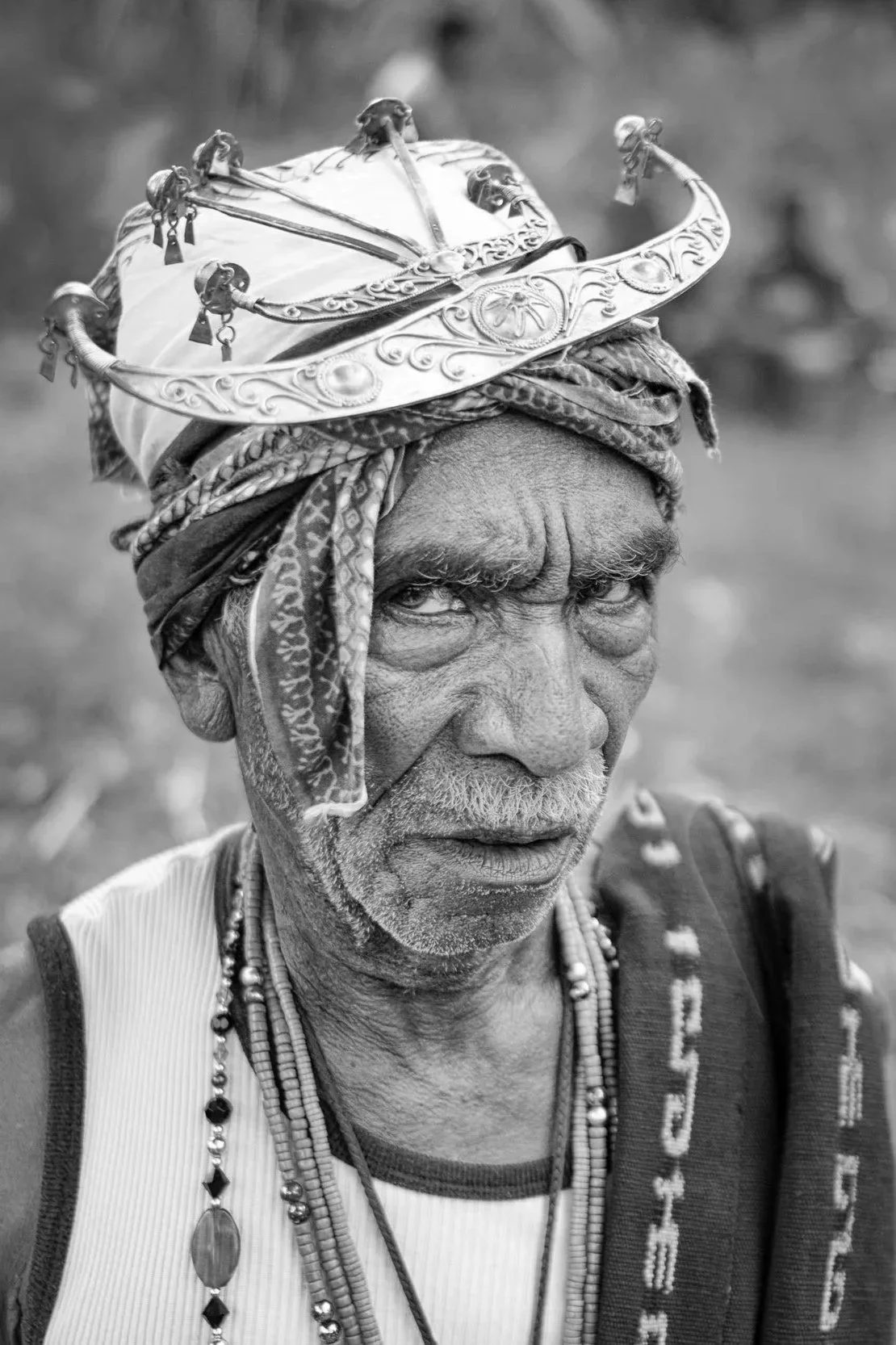
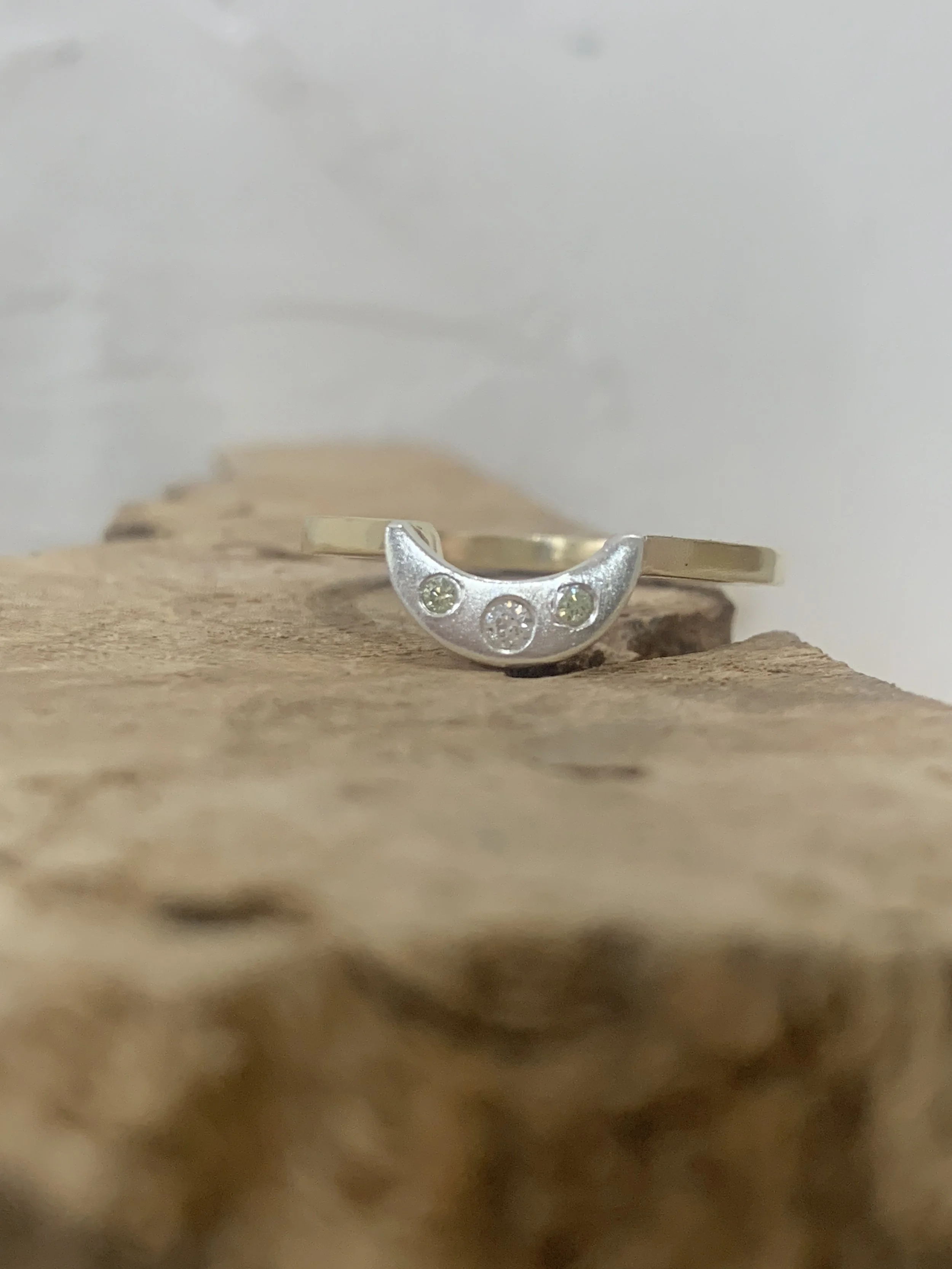
The Kaibauk is an ornate traditional Timorese headdress, its distinctive crescent form rising from the head like horns.
Traditionally worn as ceremonial attire by both women and men, From the Hands of Our Ancestors describes the Kaibauk as representing the feminine moon. Women wore Kaibauk when performing war dances danced in unison, while for men it formed part of warrior attire.
Beyond ceremony, the Kaibauk was also part of bridewealth exchange and could become a treasured family heirloom, passed from one generation to the next. Silver heirlooms were often stored within the clan's ceremonial house and brought out again for important and festive occasions.
AUTHORITY & LEADERSHIP
The Kaibauk also carries associations with status, authority and leadership.
Historical and museum sources connect examples of the headdress with liurai — Timorese rulers — and aristocratic dato. The Kaibauk continues to appear as a symbol of authority in Timor-Leste today; it has even been used ceremonially at the country's National Parliament to represent governing authority.
Its meaning is not singular or fixed. Across different sources and contexts, the Kaibauk encompasses ideas of ceremony, warrior identity, inheritance, status, authority and leadership.
KaIBAUK, REWORKED
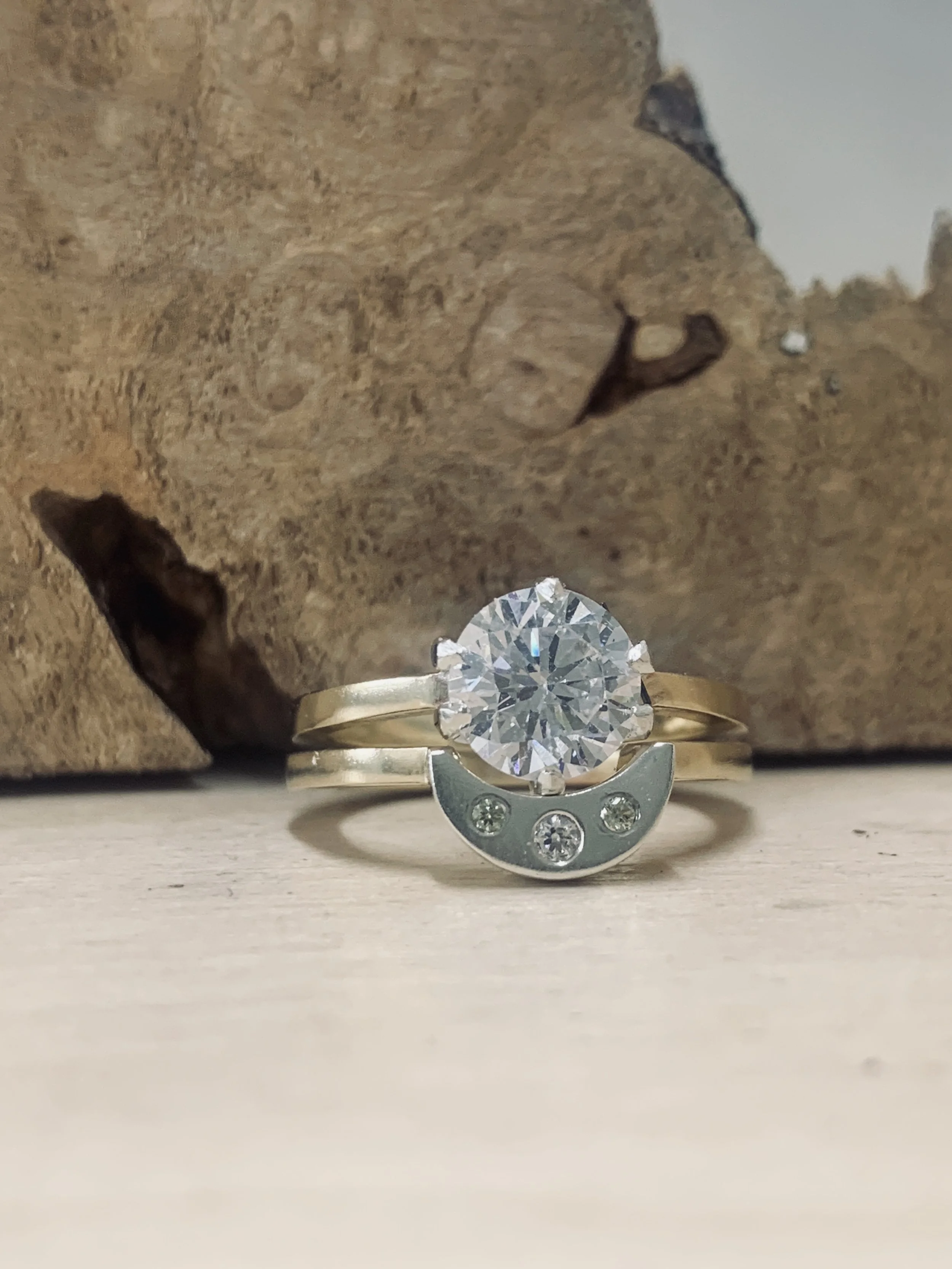
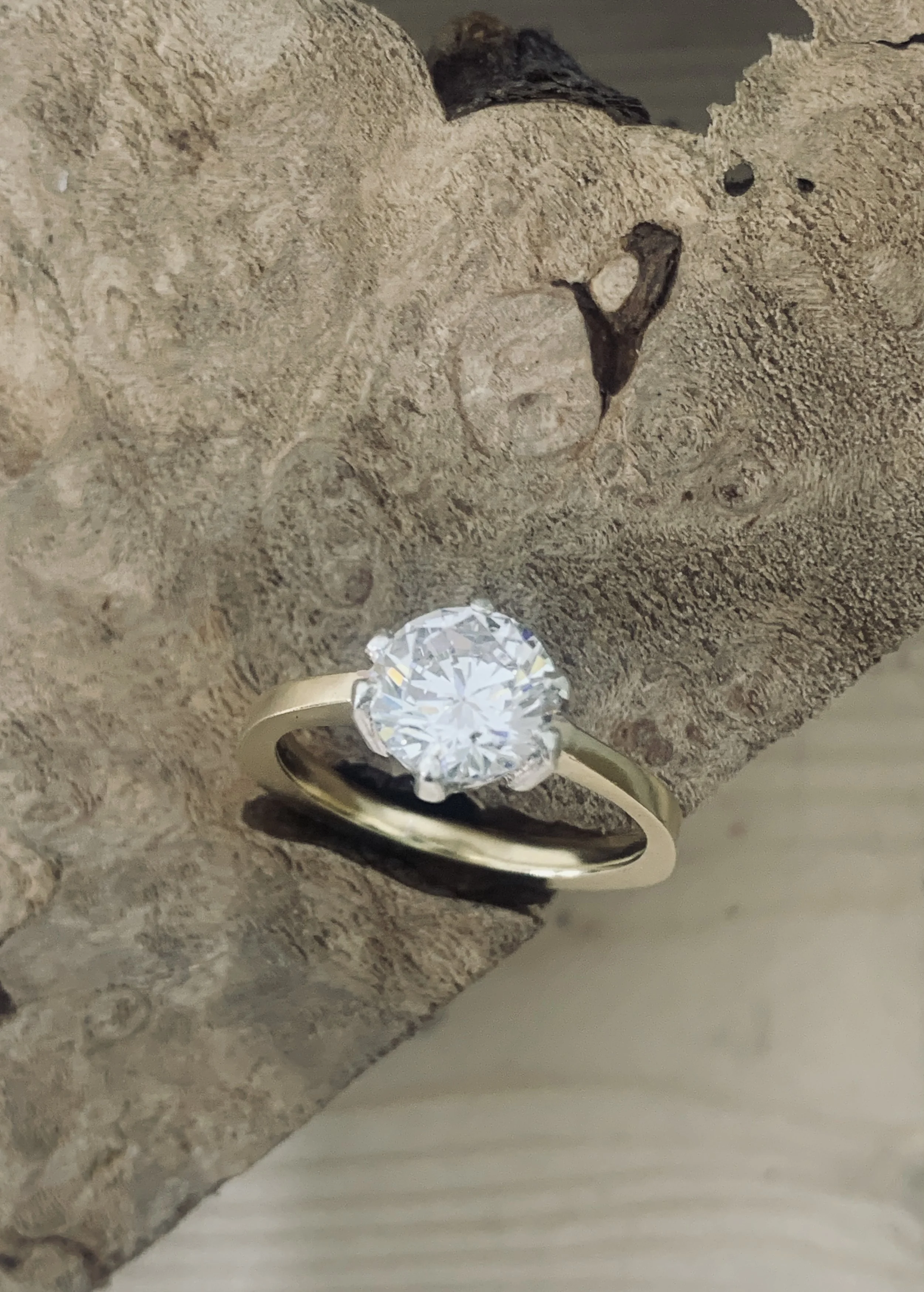
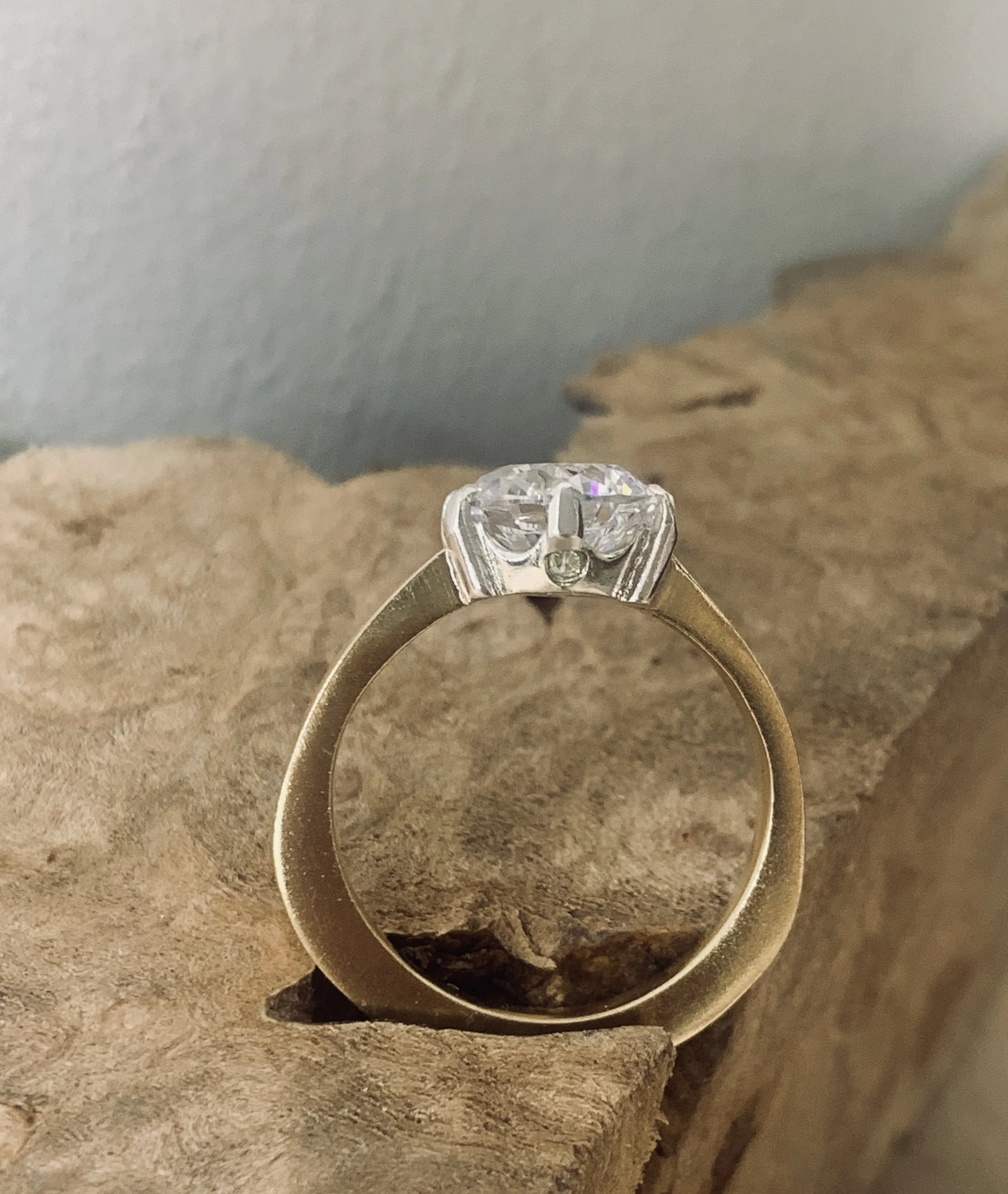
The distinctive crescent form of the Kaibauk was one of the first Timorese shapes I began translating into jewellery.
My earliest pieces interpreted the form quite literally — as a small stamped motif or a recognisable silhouette. Over time, that interpretation has become less direct. I now use the curves, rising points and sense of balance within the Kaibauk as a starting point for the structure of a piece.
In these more recent rings, the form sits alongside precious stones rather than simply decorating them. The Kaibauk becomes part of the jewellery itself — reduced, rearranged and given a new context.
What continues to draw me to the Kaibauk is both its distinctive form and the meanings it carries: ceremony, inheritance, authority and leadership. It is a traditional object I return to, not to reproduce, but to explore through my own making.
the story of Morten (Timorese orange beads)
More precious than gold
Morten are traditional Timorese bead necklaces whose value extends far beyond adornment.
From the Hands of Our Ancestors describes Morten as being considered more precious than gold in Timor-Leste and traditionally given as part of wedding exchange. Their value could be measured against another important form of wealth: according to the publication, one Morten was equivalent in value to one buffalo.
As heirloom objects, Morten also carry social status within Timorese culture.
BEADS THAT HAVE TRAVELLED
The history contained within the beads reaches beyond Timor.
Timorese mythology describes the distinctive orange Morten beads as precious stones dug from the earth. Material analysis tells another story: the publication identifies them as molten glass beads originating from South India, where drawn glass beads have been made for around 2,000 years.
That makes Morten fascinating objects of both inheritance and movement — objects that became deeply embedded within Timorese cultural life while carrying traces of connections far beyond the island.
Morten, REWORKED
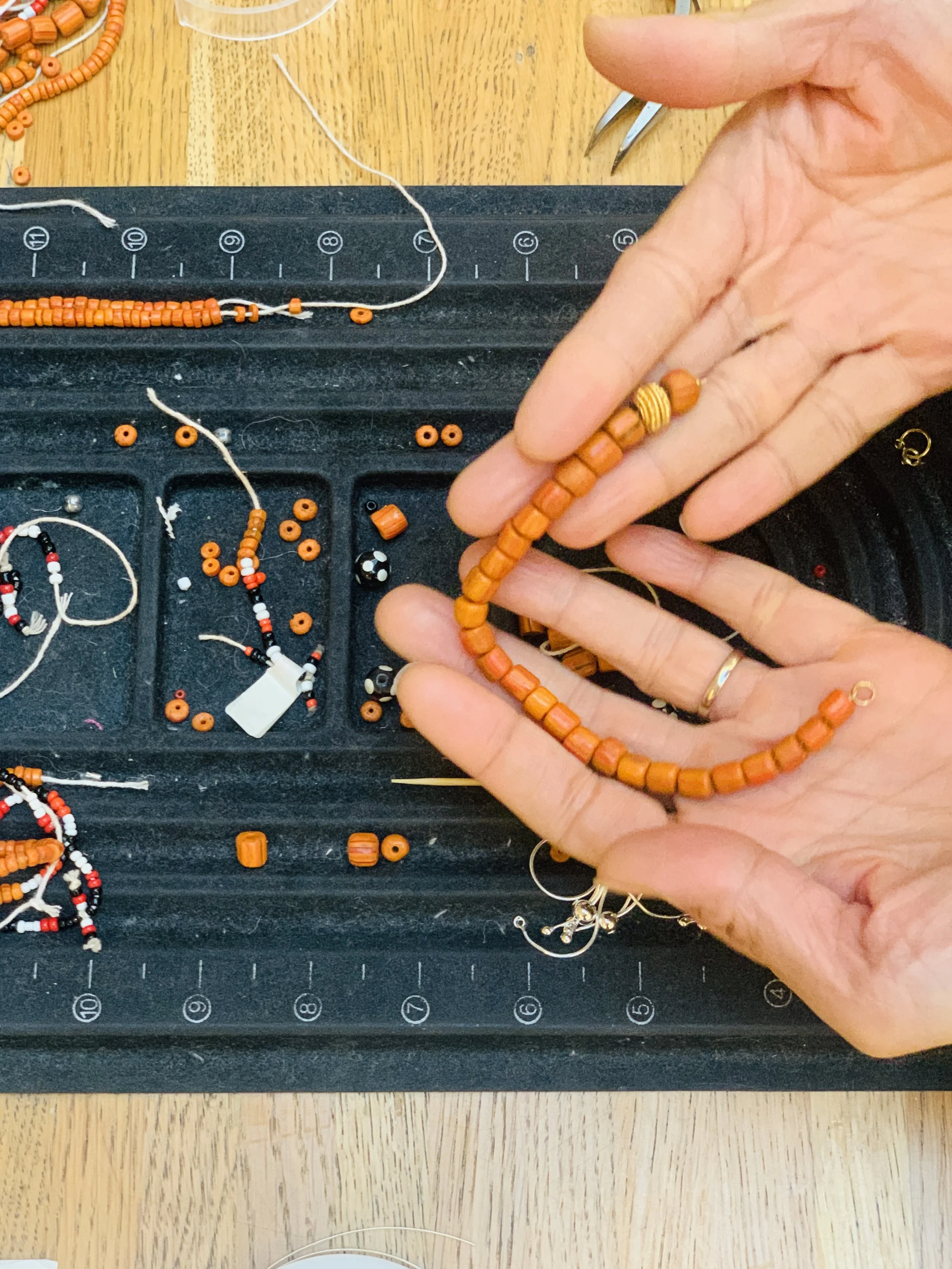
My approach to the Morten begins with the original necklace itself. I begin by carefully taking apart an existing Morten necklace. The beads are sorted and restrung by hand, sometimes preserving much of the original rhythm of the strand and sometimes reducing it to just a small sequence of beads.
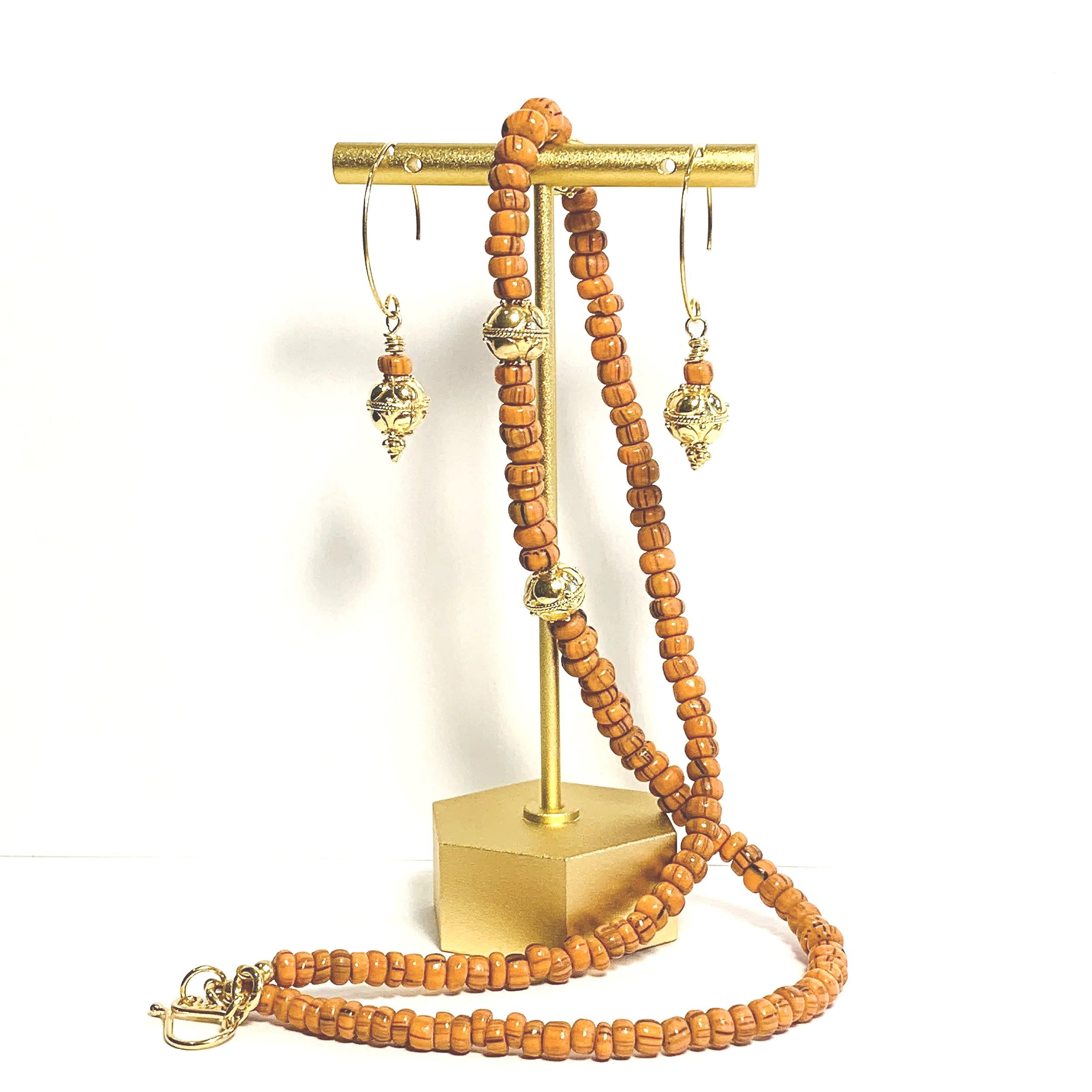
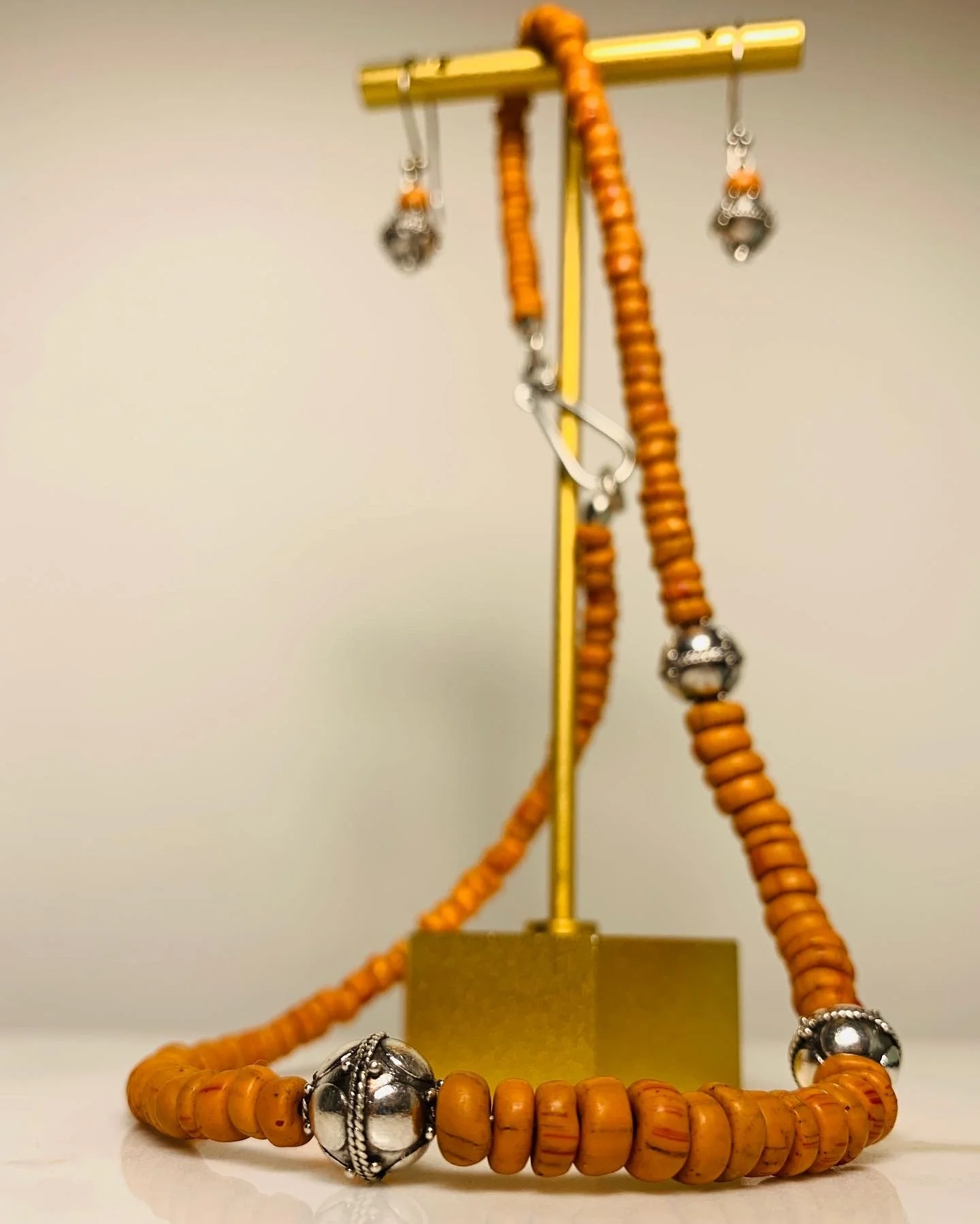
I combine them with precious metals and elements I make in my Brighton studio, changing the scale, rhythm and way the beads are worn. The original material remains, but its arrangement and context shift.
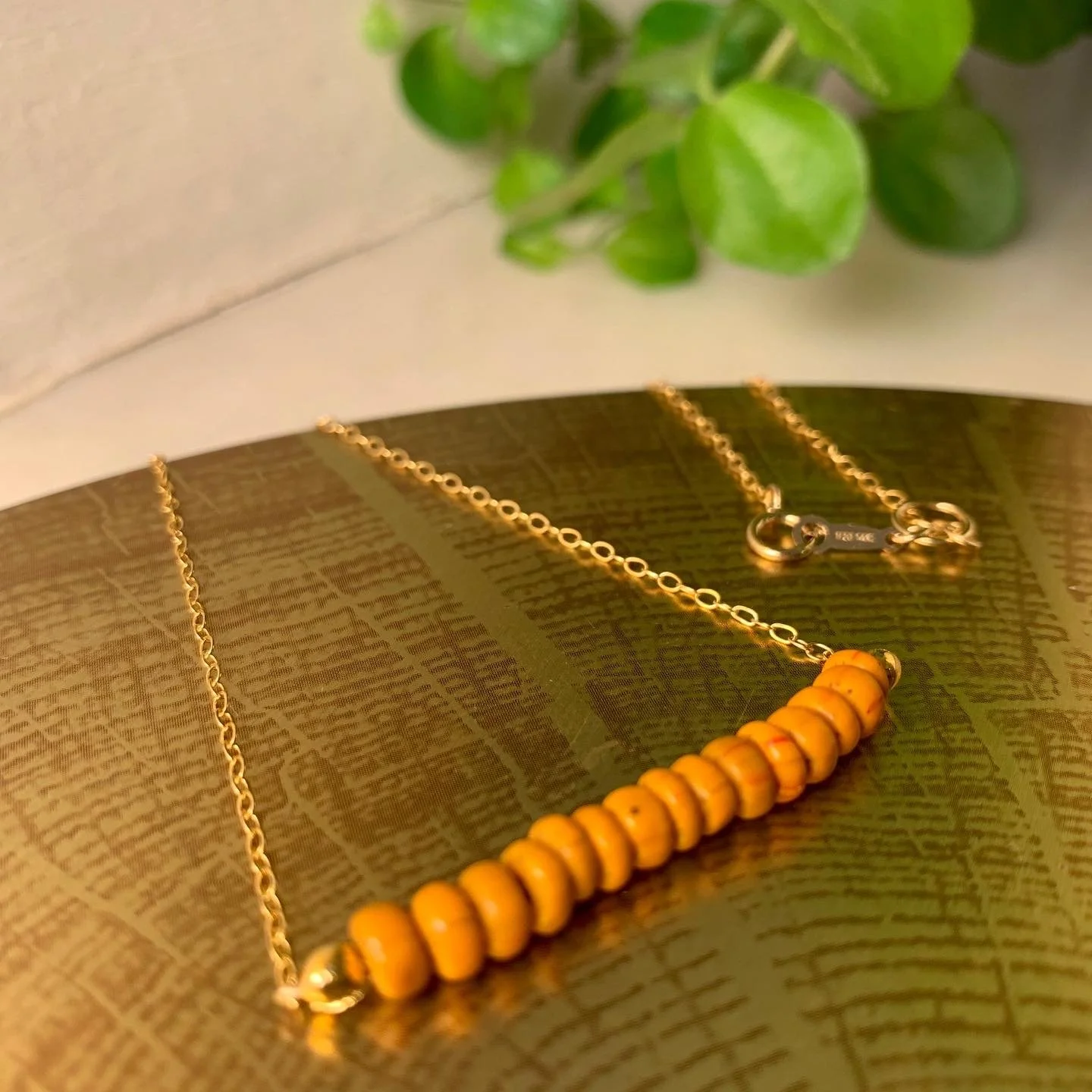
Sometimes I keep a longer sequence of the distinctive orange beads; in other pieces, I reduce the necklace to a small group or even a single bead. I combine them with precious metals and handmade elements, changing the scale, rhythm and way the beads are worn.
I am interested in what happens when an object with an existing history is taken apart and reassembled. The materials remain, but their arrangement changes — allowing the Morten to continue in another form rather than simply being reproduced.
Each piece is therefore shaped by the beads I begin with. Their variations, age and individual marks become part of the finished jewellery.
SOURCE & FURTHER READING
Barrkman, Joanna (ed.), Husi Bei Ala Timor Sira Nia Liman: From the Hands of Our Ancestors — The Art and Craft of Timor-Leste. Museum and Art Gallery Northern Territory, in partnership with Direcção Nacional da Cultura, República Democrática de Timor-Leste, 2008.